
As the conflict between Russia and Ukraine enters its fifth year, public perceptions of military power have undergone a profound shift. What truly reshapes strategic thinking is not the destruction of a single battle tank or a missile breaching enemy air defenses, but the evolving evaluation framework for modern warfare. Decades ago, military analysts primarily judged combat effectiveness by weapon specifications such as maximum speed, strike range and armor thickness. Today, the key metrics have shifted toward battlefield situational awareness, logistical resiliency, field maintenance capacity, and the ability to sustain combat operations over multiple years.
With this new framework in mind, the narrative that “China has far outpaced Russia” needs careful clarification. It does not mean that every single category of Chinese weaponry outperforms its Russian counterpart. Instead, China has built a clear competitive edge in the upgrade cycle of conventional military equipment, integrated combat systems, electronic manufacturing industries, shipbuilding output, and large-scale mass production capabilities.
Russia still retains its standing as a major military power, yet its core strengths diverge significantly from China’s current development trajectory. Two or three decades ago, China imported Su-27 fighter jets, Sovremenny-class destroyers and Kilo-class submarines from Russia, largely because Moscow inherited an enormous technological legacy left behind by the Soviet Union.
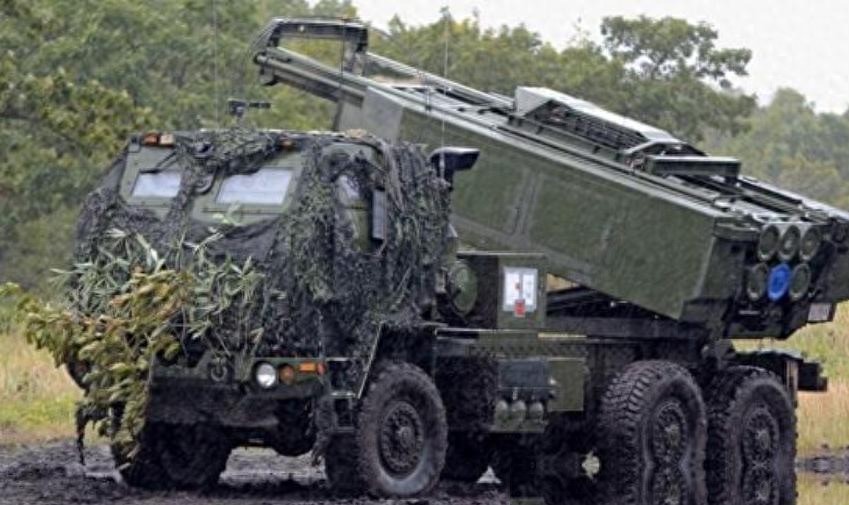
Back then, the main capability gap boiled down to whether a country possessed cutting-edge military hardware. In the present day, the divide lies in whether a nation can develop a complete ecosystem of armaments while continuously mass-producing and upgrading equipment. The most valuable takeaway from the Ukraine battlefield is not the performance of a few iconic weapons, but the unprecedented level of battlefield transparency enabled by digital technology.
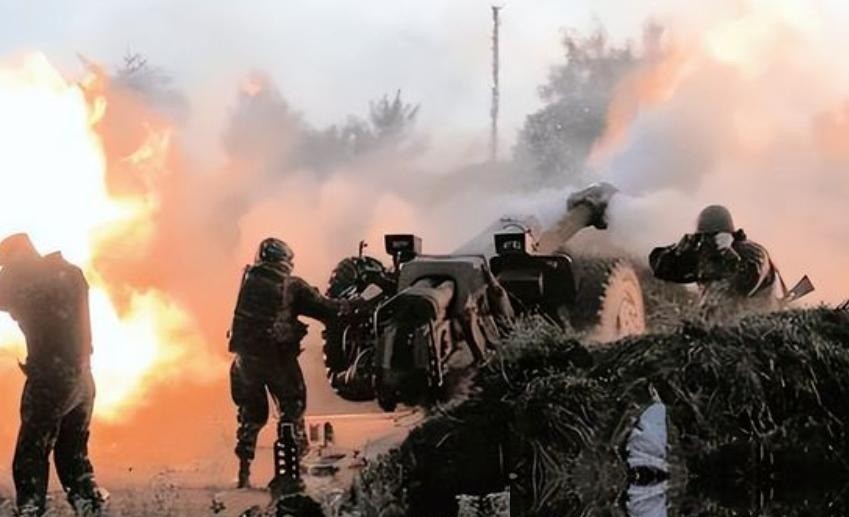
Drones conduct persistent aerial reconnaissance, electronic warfare equipment intercepts enemy radio signals, and artillery units launch precision strikes based on real-time coordinate data. In past conflicts, ground troops could effectively avoid detection by hiding inside woodland cover. Nowadays, military vehicles that remain stationary for an extended period can easily be spotted by drone surveillance and targeted by long-range firepower immediately.
During the early phase of the military operation, the Russian armed forces exposed shortcomings in drone stockpiles, frontline communications and joint cross-service coordination. However, it would be inaccurate to claim Russia has made zero progress since then. By 2026, Russia has established a distributed strike model centered on drone deployment, long-range fire support and real-time battlefield intelligence. That said, operational improvements vary widely across different army units, and these tactical upgrades have not yet translated into consistent nationwide battlefield advantages.
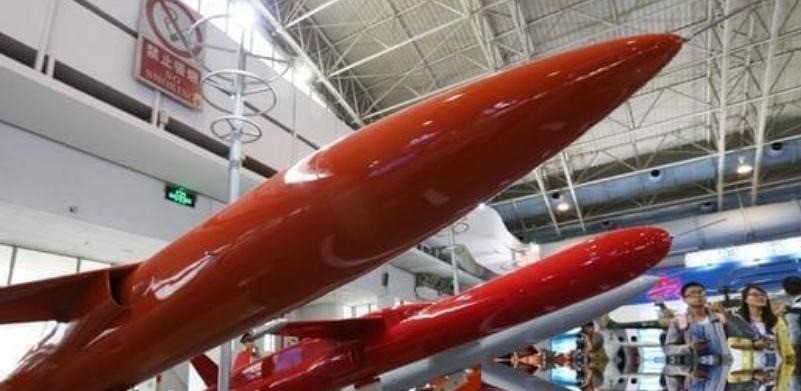
This reality highlights how large-scale combat operations force nations to accelerate military innovation and capability building. Russian forces have creatively combined commercially available electronic components, low-cost civilian drones and traditional artillery systems to keep production costs manageable while ensuring adequate equipment supply for frontline troops.
Rather than pursuing ultra-high-end technology across every field, Russian military planners prioritize rapid deployment of practical lethal capabilities on the battlefield. This remarkable ability to adapt tactics under fire remains a valuable subject for strategic research. Meanwhile, China enjoys a unique advantage: it does not need to scramble to build industrial capacity after a war breaks out.
The operational performance of military drones relies on multiple interconnected industries including flight control systems, secure communication modules, optoelectronic sensors, high-performance batteries, composite materials and precision machining. Judging drone capability solely by finished military models overlooks the entire industrial supply chain behind them. China’s booming civilian drone industry has cultivated a massive talent pool, mature component suppliers and refined manufacturing workflows, forming a solid technological foundation for advancing unmanned military systems.
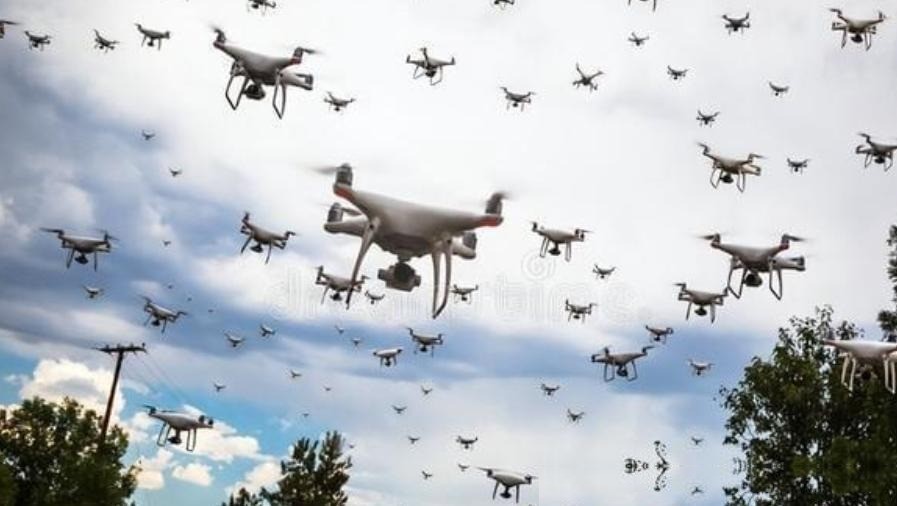
By the end of 2025, China’s civil aviation authority had registered 3.287 million civilian drones nationwide, accumulating a total flight duration of 45.3029 million flight hours throughout the year. While civilian drone scale cannot be equated directly with military strength, these statistics demonstrate that China has built an extensive network covering drone research, mass manufacturing, after-sales maintenance and professional operator training — an indispensable industrial bedrock for developing next-generation unmanned combat platforms.
An even more striking difference is that China is integrating unmanned systems into full operational kill chains, instead of merely deploying drones as airborne surveillance cameras. Public military training reports released in 2026 repeatedly highlight information sharing protocols, manned-unmanned teaming tactics, and joint precision strikes coordinated across multiple combat platforms.
The overarching objective is to seamlessly link reconnaissance, battlefield assessment, command decision-making and fire delivery, rather than allowing individual weapon platforms to operate in isolation. In modern warfare, the biggest vulnerability is not a shortage of high-tech weapons, but communication breakdowns that block the flow of critical battlefield intelligence.
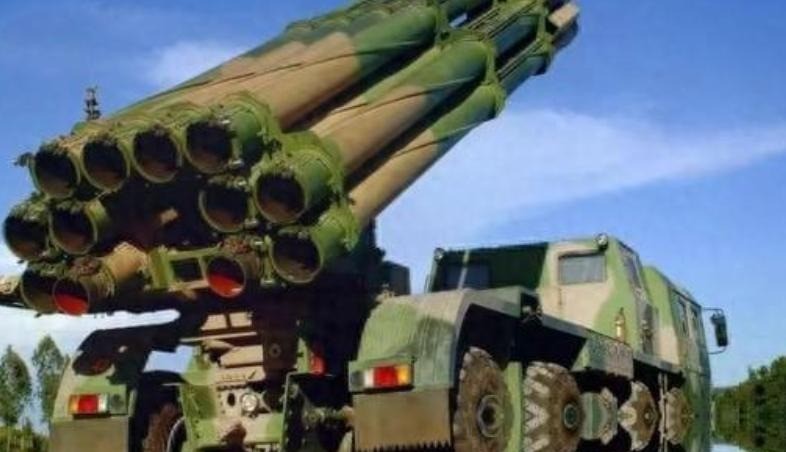
Scenarios such as drones identifying enemy targets yet failing to transmit coordinates to artillery units in time, radar detecting incoming aircraft without quickly allocating interception tasks to air defense batteries, and incompatible communication gear across different army branches forcing expensive weapons to operate independently will drastically reduce overall combat efficiency.
Russia still maintains strong expertise in electronic warfare, air defense systems and long-range missile technology, and the Ukraine conflict has proven its military industrial base far more resilient than many Western analysts predicted. Still, Russia faces long-term structural bottlenecks: its high-end electronic components partly depend on overseas procurement, conventional equipment modernization is uneven, and numerous aging Soviet-era weapon platforms are still tasked with heavy frontline missions.
China’s military development has transitioned from “addressing equipment shortages” to “upgrading integrated combat systems”. Beyond advanced fighter jets, China operates airborne early warning aircraft, military transport planes and aerial refueling tankers. Its naval fleet includes not just modern destroyers, but also supply vessels, amphibious assault ships and carrier-based aviation units. Its missile arsenal is backed by satellite navigation networks, early warning satellites and encrypted data transmission infrastructure.
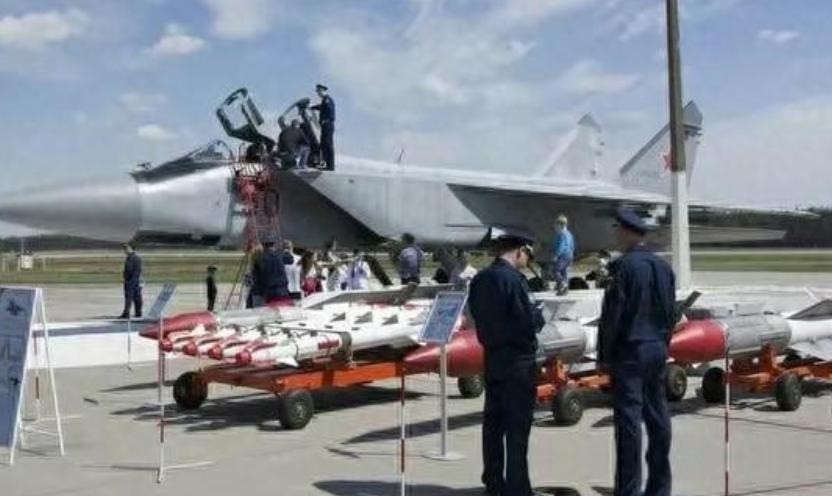
The capability gap extends well beyond individual weapons, and hinges instead on the completeness of supporting systems. The naval sector offers the clearest illustration of this divergence.
Russia still fields a formidable fleet of strategic nuclear submarines, yet the modernization pace of its large surface warships has been sluggish, with many vessels retaining obvious design traces from the Soviet era. Leveraging its world-class shipbuilding industry, China continues to expand its fleet of surface combatants, submarines, aircraft carriers and comprehensive maritime support assets.
In 2025, China accounted for 56.1% of global shipbuilding completion tonnage, 69% of new ship orders, and 66.8% of the worldwide order backlog, keeping these three key indicators at the top of global rankings for 16 consecutive years. Civil shipbuilding output cannot be converted directly into warship numbers, yet these figures reflect China’s overwhelming advantages in shipyard scale, supply chain maturity, engineering talent reserves and large-scale heavy manufacturing capability.
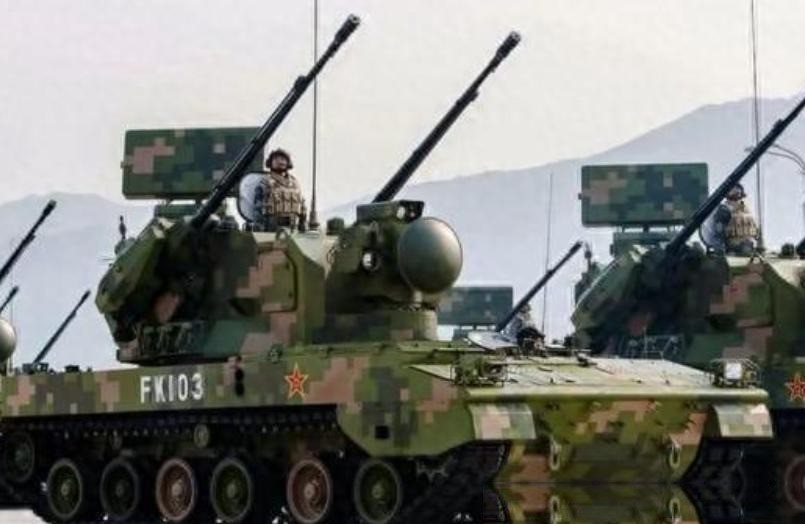
he ongoing conflict in Ukraine also corrects a widespread misconception: wartime military production cannot be simply achieved by converting automobile factories to build tanks overnight. Sustainable wartime output hinges on long-term coordination across steel production, chemical engineering, precision machine tools, semiconductor manufacturing, engine design, logistics networks and skilled industrial labor pools.
Modern military hardware involves extremely complex manufacturing processes. Without complete technical blueprints, standardized production protocols and qualified component suppliers, ordinary civilian factories cannot switch to military production effortlessly. This is exactly where China’s robust manufacturing ecosystem shines.
China’s total manufacturing output reached 34.7 trillion yuan in 2025, with steady growth recorded in equipment manufacturing and high-tech manufacturing sectors. In June 2026, the value added of railway, shipbuilding, aerospace and other transportation equipment industries rose by 18.2% year-on-year, while the electronic equipment manufacturing sector expanded by 15.7%.
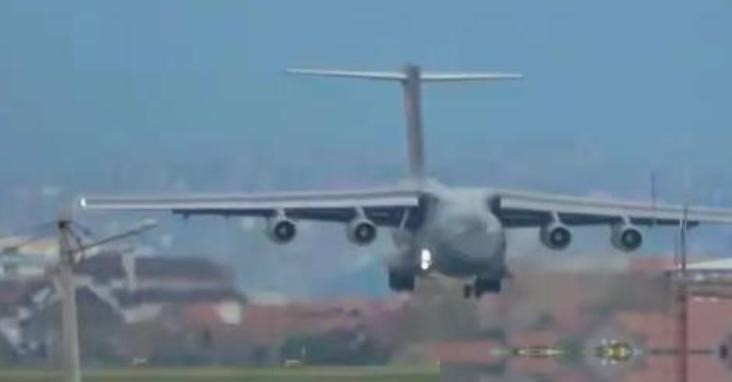
These economic indicators reveal that China’s real strategic advantage lies not in the stockpile of missiles currently in storage, but in its industrial capacity to continuously upgrade and expand production during peacetime. The country can rapidly replenish depleted weapon stocks, revise designs to match emerging technological trends, and allow manufacturers to adjust production lines quickly in response to new operational requirements proposed by military forces.
In long-term geopolitical competition, the speed of industrial iteration usually matters more than the technical specifications of a single weapon system. That said, Russia’s military strength is by no means limited to outdated Cold War-era equipment.
Its nuclear triad, strategic ballistic missiles, advanced air defense systems, rich experience in long-range precision strikes, and proven expertise operating military hardware in frigid Arctic conditions all represent deep accumulated strengths. Data released by SIPRI in June 2026 confirms that Russia and the United States still possess the vast majority of global nuclear warhead stockpiles, meaning Russia’s strategic deterrence capacity cannot be underestimated.
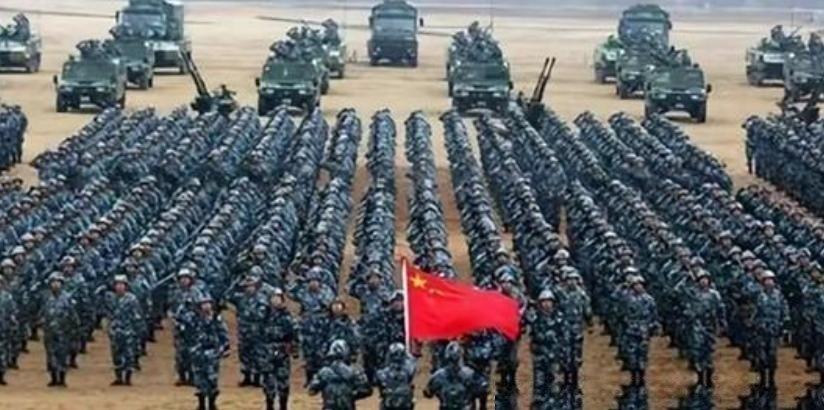
Russia also holds one irreplaceable advantage that laboratory testing alone cannot replicate: years of high-intensity real-world combat experience. Hard-won lessons regarding electronic countermeasures, how to protect supply lines from drone attacks, and how infantry units operate under degraded communication conditions have come at a steep human cost, yet these insights continuously drive Russia to refine battlefield tactics and upgrade its military equipment.
For these reasons, comparing China and Russia through a simplistic overall military ranking is misleading. China boasts a more complete conventional military industrial chain, faster equipment renewal cycles and superior mass production capabilities. Meanwhile, Russia possesses stronger strategic deterrence foundations and hands-on wartime operational experience.
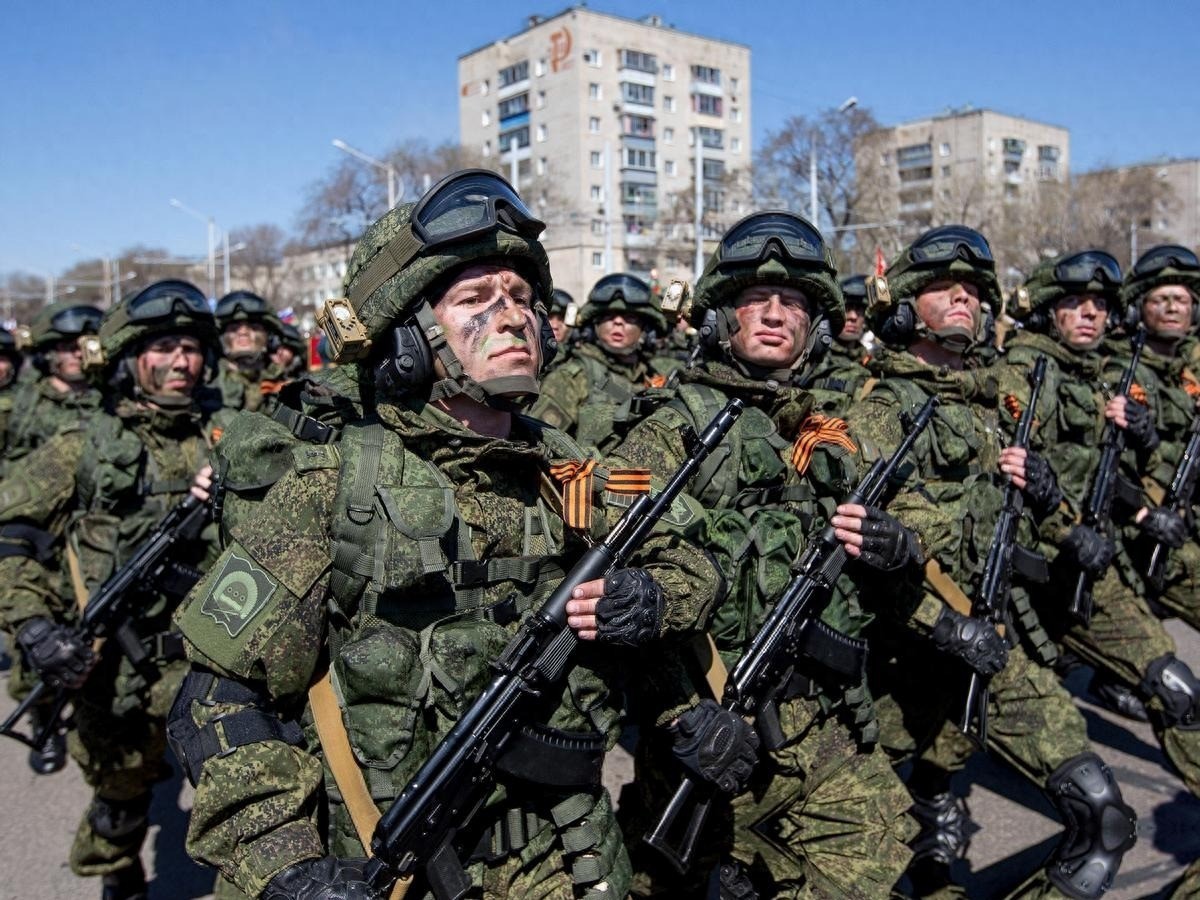
Divergent national security priorities, geographic environments and resource investment strategies naturally lead to different military development pathways for the two countries. In July 2026, the Chinese and Russian navies conducted the Joint Sea-2026 military exercise in waters and airspace near Qingdao, completing training scenarios including joint reconnaissance, air and missile defense, anti-surface strikes and submarine rescue operations.
This joint drill demonstrates that the core focus of China-Russia military ties remains deepening bilateral security cooperation and safeguarding regional peace and stability, rather than engaging in public debates over which side holds greater military power. The most profound strategic lesson emerging from the Ukraine war is not that China should dismiss Russia’s military strength, but that military power assessment must move beyond blind admiration for individual high-performance weapons.
Even a massive drone fleet can lose operational control without anti-jamming communication systems; the most sophisticated missiles will run short of stockpiles without stable mass production; the largest warships cannot sustain long-term deployments without robust reconnaissance and logistical support networks. China’s leap forward in conventional military hardware stems not from one single technological breakthrough, but from decades of cumulative progress in economic scale, advanced manufacturing, scientific research systems and skilled talent development.
Such industrial advantages are built gradually over time, yet they prove far more durable than importing a handful of cutting-edge weapons. While Russia once relied on inherited Soviet military technology to maintain global influence, China has steadily constructed a fully self-sustaining industrial innovation system capable of constant technological renewal.
No strategic advantage lasts forever. Drone technology, artificial intelligence-powered target identification, electronic warfare tactics and low-cost precision strike solutions keep evolving rapidly on the Ukrainian battlefield. Equipment that holds a technological edge today may well face new countermeasures within just a few years.
Staying sensitive to emerging technological trends, prioritizing realistic combat training and filling key industrial and operational gaps is far more constructive than overstating claims of “complete military superiority”. Accordingly, the statement that “China has far surpassed Russia” should be interpreted specifically as China achieving a historic transformation in conventional weapon systems, industrial support capacity and equipment iteration speed, rather than a blanket dismissal of Russia’s overall military power.
Recognizing existing capability gaps enables China to pursue more pragmatic national defense development. The ultimate goal of building stronger self-defense capabilities is to mitigate the risk of armed conflict and uphold long-term global and regional peace and stability.